
Common Audit Types at CVS Health: What Suppliers Need to Know
Supplying CVS Health means operating under a structured set of audit programs. Like any major retailer, CVS uses a combination of supply chain performance audits, billing reviews, and quality system evaluations to hold suppliers financially accountable ...
CVS Supplier Deduction Guide: How to Avoid Payment Reduction
Every major retailer has a process for claims and deductions, and CVS is no different. Suppliers often see payment reductions tied to billing errors, shortages, or compliance misses. Left unchecked, these deductions can add up to significant revenue loss.
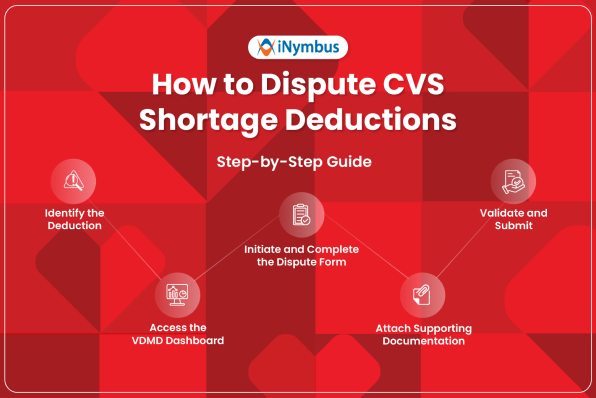
How to Dispute CVS Shortage Deductions: A Step-by-Step Guide
If you’ve ever shipped to CVS, chances are you’ve dealt with shortage deductions, the dreaded notice that CVS claims fewer units arrived than what you billed them for. Painful? Definitely.
CVS Deduction Codes Explained: A Complete Overview
CVS Health uses a wide range of deduction types to manage supplier payments. The most commonly known category among vendors is called Warehouse Payables, which includes issues like shortages, case pack errors, and pricing discrepancies. CVS also issues ...
Vendor Portals: Key Features and Benefits for Your Business
Vendor management has traditionally been full of inefficiencies—endless emails, paperwork, and manual processes that often lead to delays and errors. To address these challenges, organizations have turned to vendor portals—online platforms designed to ...
Top 5 Deductions when Selling to Retail Pharmacies
In the intricate world of supplier-retailer relationships, businesses often find themselves facing a range of deductions that can significantly impact their profit and cash flow. This article delves into the realm of selling to retail pharmacies, like ...